The Sauna Blanket Buying Guide: Six Specs That Matter, Three That Don't
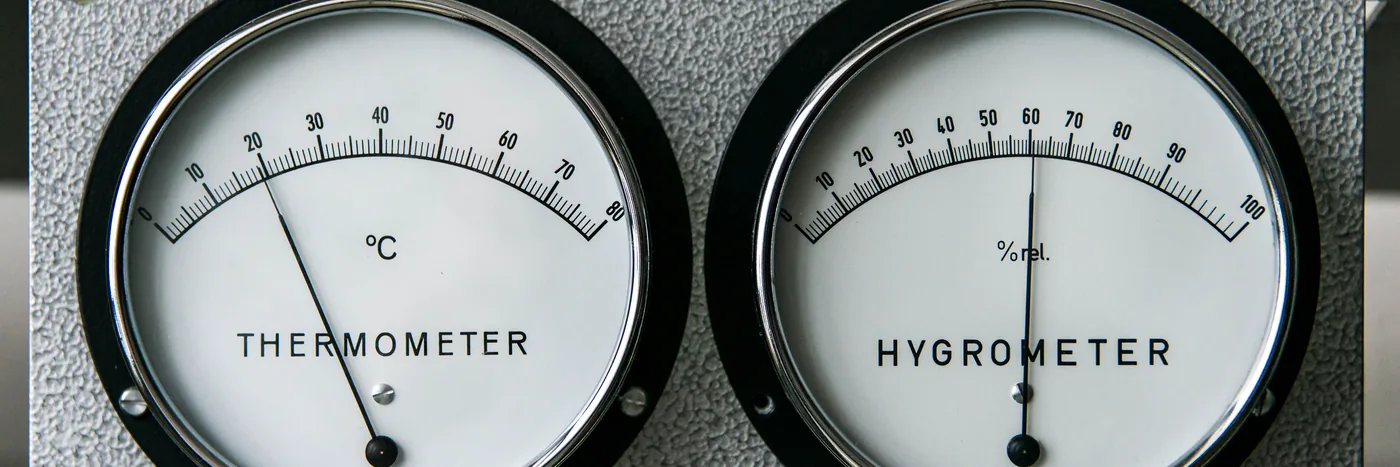
Photograph: Adobe Stock, licensed 22 August 2026. Illustrative of the specs discussed here, not equipment we recommend.
A sauna blanket is a far-infrared heating element sewn into a wipe-clean bag you lie inside. The infrared heats your body directly instead of heating the air around you, which is why a 400-600 watt blanket can produce the same drenched-shirt result as a wooden room running ten times the power. That's the whole technology. Everything else on the sales page is either a real differentiator or decoration, and this guide sorts which is which.
The Six Specs That Matter
1. Maximum temperature, and which temperature they mean
Quality blankets run 165-176°F. Budget ones plateau around 150°F, which produces a warm nap, not a sweat. One trap to watch: some brands quote the internal element temperature, not the surface you lie against. Heat Healer's spec reads 176°F at the element but roughly 140°F at the surface. Neither number is a lie, but they aren't comparable to a competitor's surface reading. If a review doesn't distinguish them, the reviewer didn't check.
2. EMF, verified versus claimed
EMF (electromagnetic field) exposure is the most argued-about spec in this category. Here's the plain-English version: any electric heating element produces some EMF, measured in milligauss (mG). Well-designed blankets cancel most of it and measure in the low tenths of a milligauss at the surface. The science on low-level EMF harm is genuinely unsettled, so our position is practical: you're lying inside this thing for hours a week, so prefer brands that publish verified numbers (HigherDOSE and Sun Home, with its 0.4 mG figure, are the standouts) over brands with a "low EMF" badge and no paperwork.
3. Wattage, which is really preheat time
Higher wattage means faster preheat: BonCharge's 600W gets there in about 5 minutes, HigherDOSE's 350-420W takes 10-15. This spec is secretly a psychology spec. Every minute of setup friction is a withdrawal from the willpower account that keeps the habit alive. Impatient people should weight this heavily and not feel shallow about it.
4. Size, especially if you're tall
Unfolded dimensions around 71" handle most bodies. Over 6'2" or broad-shouldered, prefer the 71" x 71" square cuts (HigherDOSE, Sun Home) over narrower wraps. A blanket that cuts off at your shoulders turns every session into a negotiation.
5. Warranty
One year is the category standard, and most brands sit there: HigherDOSE, BonCharge, Sun Home, and Vellgus all give you twelve months. Heat Healer's two years is better and Hooga's three is the outlier, which matters more than it sounds on a heated device with a controller, the two parts that actually fail. Note that a brand can carry different terms across its own catalogue, so read the spec list for the product you are buying rather than the badge on the site: Vellgus gives three years on its bigger red light panels and one year on its sauna blanket. Whatever you buy, buy direct or from an authorized seller, because gray-market units usually void coverage.
6. Materials and smell
The shell should be polyurethane (wipes clean) and the brand should say something checkable about VOCs (Sun Home leads with low-VOC, non-toxic materials). Cheap blankets are notorious for a plastic outgassing smell that takes weeks to fade, if it fades. If a brand says nothing about materials, that's your answer.
The Three Specs That Don't Matter
Crystal layers. Amethyst and tourmaline sewn into fabric do nothing measurable to your session. Solid stone against the body (Heat Healer's design) legitimately spreads heat; loose mineral layers in the lining are decoration with a markup.
Heat level counts. Nine levels versus eight versus ten changes nothing. What matters is the ceiling temperature and whether the controller is reliable.
"Detox" claims. Sweating is sweating. The research-supported case for regular heat exposure is about cardiovascular response, relaxation, and recovery, and that case is decent. The toxin-flushing framing is marketing. Buy the blanket for the sweat and the wind-down, not the detox.
Safety, Without the Lawyer Voice
- Hydrate before and after, with electrolytes if you're sweating daily. This is the difference between feeling great and feeling wrung out.
- Start at 15-20 minutes on a middle setting for the first week. The people who hate sauna blankets mostly cooked themselves on day one.
- Wear moisture-wicking long sleeves, pants, and socks. Protects your skin, keeps the blanket clean, and the session feels better, not worse.
- Skip it, or clear it with your doctor first, if you're pregnant, have cardiovascular disease, or take medications affecting heat regulation or blood pressure. Heat is a real physiological stressor: that's why it works and why it deserves respect.
- Don't fall asleep in it. Use the timer, every time.
The Cost Math
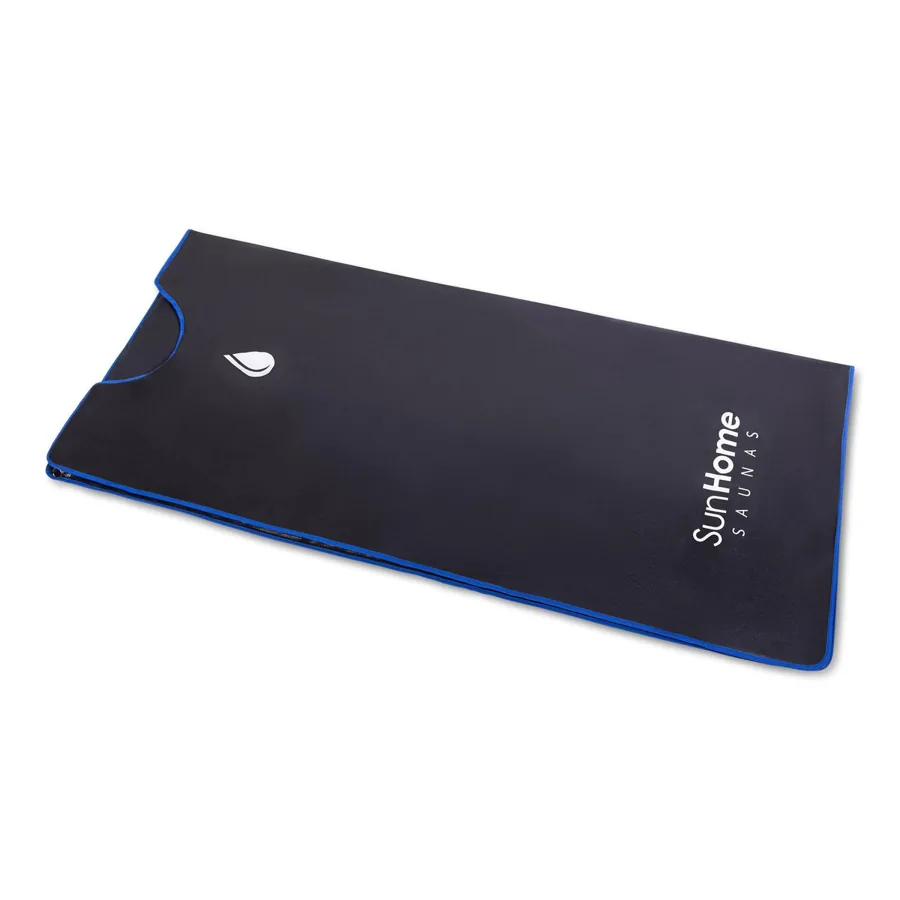
Spa infrared sessions run $40-80. A $400-700 blanket used three times a week pays for itself inside two to four months, then produces years of near-free sessions at pennies of electricity each. The only losing outcome is the one where it goes in the closet, which is why the most important spec of all is the honest answer to: will you lie still for 40 minutes, repeatedly, forever? If not, read our blanket vs. sit-in sauna comparison before spending anything.
FAQ
- Do sauna blankets actually work like a real sauna?
- For the sweat and heat response, yes, at the 160-176°F range of the blankets we recommend. Budget blankets that plateau near 150°F mostly don't.
- How often should I use one?
- Most brands suggest 3-5 sessions of 30-45 minutes per week. Build up to that over a couple of weeks.
- What's a good EMF number?
- Verified readings in the low tenths of a milligauss, like Sun Home's published 0.4 mG. Prefer published and verified over claimed.
- Can I travel with one?
- They fold to gym-bag size, so yes. Check voltage: BonCharge's 100-240V model works internationally; US-only 110-120V models need a converter abroad.
Where to Start
Our current picks by buyer type are on the 2026 comparison page. Short version: Sun Home for value, BonCharge for impatience, HigherDOSE for the most documented unit, Heat Healer for warranty, Therasage if you already know lying still isn't happening.